
The Top Misconceptions About Doing Business in Africa
- Alice Santos
- Nov 13, 2025
- 2 min read

If You Want to Be Efficient Entering the African Market, Misconceptions About Doing Business in Africa Need to Be Removed
Africa is often perceived through a lens of misconceptions that can hinder serious investors and development partners from recognizing its true potential. Many believe it to be a single, homogenous market an oversimplification that ignores the continent’s incredible diversity. Others assume that investment opportunities are limited, or that challenges such as governance, infrastructure, and legal frameworks are insurmountable.
For businesses and organizations aiming for efficient and sustainable entry into Africa, these misconceptions must be addressed and dispelled. Understanding the continent’s complex landscape the distinct legal systems, cultural nuances, and regional economic differences is essential for crafting effective strategies.
At African Project Global Bridge (APGB), we emphasise that success in Africa requires localized insight, meaningful partnerships, and tailored approaches. Removing these false perceptions puts you on the right path towards unlocking Africa’s immense potential for growth, innovation, and development
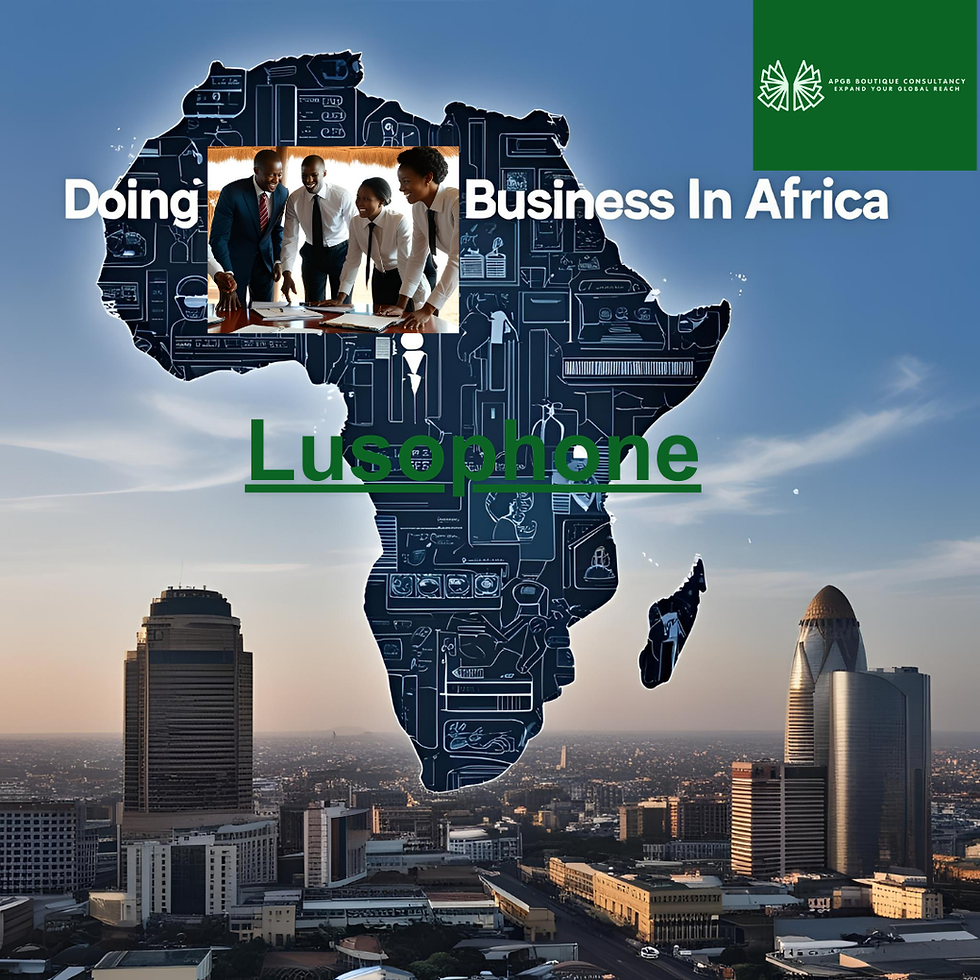
Africa's vastness encompasses diverse regions, each with distinct characteristics:
North Africa: Influenced by Arab, Mediterranean, and Francophone traditions, this region features countries like Egypt, Morocco, and Tunisia, with significant trade links to Europe and the Middle East.
West Africa: Characterized by a mix of Lusophone, Francophone and Anglophone countries such as Angola, Cabo Verde, Nigeria, Ghana, and Côte d'Ivoire, with strong agricultural, natural resource, and growing digital sectors.
East Africa: Known for innovation hubs like Kenya and Tanzania, with a focus on technology, agriculture, and cross-border trade.
Central Africa: Rich in natural resources with countries like the Democratic Republic of Congo, facing challenges related to infrastructure and governance.
Southern Africa: Featuring mature financial markets in South Africa and resource-dependent economies, with issues around political stability and economic diversification.
Implications for Investment and Development
Each region and country presents unique opportunities and challenges. Legal systems may vary from common law to civil law and mixed systems, affecting contract enforcement and regulatory compliance. Cultural differences influence business practices, consumer behavior, and stakeholder engagement.
This diversity underscores the importance of localised knowledge, robust due diligence, and adaptive strategies. APGB’s boutique tailor solutions specific to each country’s context building trust, fostering sustainable growth, and minimizing risk.
In conclusion, APGB’s expertise lies in understanding the rich tapestry of Africa’s markets and working with partners to unlock their potential responsibly. Our focus on Lusophone countries, combined with an acute awareness of regional differences, enables us to drive meaningful and sustainable impact across the continent, we Invite readers to partner with APGB who understand Africa’s nuances not just its headlines.

Comments